Mouth Drug Test – Professional Oral Testing Solutions for Rapid Detection
In modern safety and compliance systems, quick and reliable screening methods play a vital role in ensuring workplace and public safety. The Mouth Drug…
In modern safety and compliance systems, quick and reliable screening methods play a vital role in ensuring workplace and public safety. The Mouth Drug Test has become a widely adopted solution for detecting recent drug use through oral fluid analysis. It is known for its simplicity, speed, and accuracy, making it an essential tool in professional testing environments. From workplaces to healthcare facilities and law enforcement agencies, this method provides a practical way to identify substance use quickly and efficiently.
What Is a Mouth Drug Test?
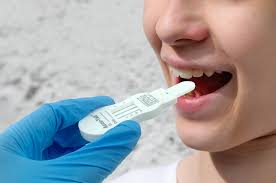
A mouth drug test is a screening method that detects the presence of drugs in saliva collected from inside the mouth. A soft swab is placed between the cheek and gum or under the tongue to gather oral fluid. This sample is then analyzed to identify specific substances and their metabolites. Since saliva reflects recent drug intake, the test is especially useful for detecting short-term or recent usage. It is a non-invasive, hygienic, and easy-to-administer method that does not require complex procedures or equipment.
How Does Mouth Drug Testing Work?
Mouth drug testing works by collecting trace amounts of substances present in saliva after drug consumption. Once the sample is collected, it is inserted into a rapid test device or sent to a laboratory for detailed analysis. These devices detect chemical markers associated with different drugs, providing results within minutes in many cases. The process is straightforward, making it ideal for on-site testing where quick decisions are required. Professional environments benefit greatly from its efficiency and ease of use.
Why Choose Mouth Drug Testing?
One of the main advantages of mouth drug testing is its convenience. It eliminates the need for invasive procedures such as blood draws or urine collection. This improves comfort for individuals being tested and increases compliance. Another key benefit is its resistance to sample tampering, as collection is usually observed directly. The fast turnaround time allows employers and authorities to make immediate decisions when necessary. Its portability also makes it suitable for mobile testing units and field operations.
Accuracy and Detection Window?
The accuracy of mouth drug tests depends on proper sample collection and the sensitivity of the testing equipment used. These tests are highly effective in detecting recent drug use, typically within a few hours to 48 hours after consumption. However, the detection window is shorter compared to other testing methods such as urine or hair analysis. This makes mouth testing more suitable for identifying recent impairment rather than long-term drug history. Ongoing improvements in technology continue to enhance reliability and detection capabilities.
Applications in Professional Environments?
Mouth drug tests are widely used in professional and safety-sensitive environments. In workplaces, they help ensure employees are not under the influence during working hours. Transportation and logistics industries use them for roadside and random driver screening to improve safety standards. Healthcare and rehabilitation centers use mouth testing to monitor patient progress and ensure compliance with treatment programs. Law enforcement agencies also rely on this method for quick roadside drug detection during traffic stops.
Limitations and Key Considerations?
Despite its advantages, mouth drug testing does have limitations. The shorter detection window means it may not detect past or chronic drug use effectively. Factors such as dry mouth, improper swab placement, or contamination can affect accuracy. Some drugs may appear in lower concentrations in saliva, requiring highly sensitive testing equipment. In critical cases, confirmatory laboratory testing is often recommended to ensure final accuracy and reliability.