At Home PRP Facial: Skin Rejuvenation Without Clinics
The skincare industry is undergoing a massive transformation as consumers increasingly demand professional-grade results from the comfort of their living…
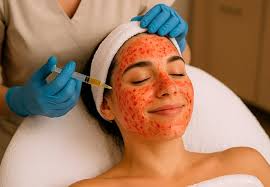
The skincare industry is undergoing a massive transformation as consumers increasingly demand professional-grade results from the comfort of their living rooms. Recent market data shows that the at-home aesthetics device market is projected to reach $14 billion by 2030. Amidst this rapid growth, the concept of an at home prp facial has gained significant traction among beauty enthusiasts. People are actively seeking alternatives to expensive clinical visits, pushing cosmetic science to adapt and deliver innovative, user-friendly solutions that bridge the gap between traditional dermatology and daily skincare routines.
Why are consumers shifting away from clinical aesthetic treatments?
The primary driver is cost efficiency coupled with convenience. A recent consumer survey indicated that 68% of individuals interested in anti-aging treatments cite clinical costs as their main barrier. Traditional Platelet-Rich Plasma therapy can cost anywhere from $600 to $1,500 per session. By transitioning to home-based alternatives, users can reduce their skincare expenditure by up to 75% annually. Furthermore, the time commitment of scheduling, traveling to, and recovering from clinical appointments pushes 45% of users to seek solutions they can apply on their own schedule.
How do these DIY rejuvenation methods actually work?
Traditional clinical procedures require drawing blood, spinning it in a centrifuge, and micro-needling the plasma back into the skin. Since drawing and spinning blood at home is neither safe nor practical for the average consumer, home kits utilize advanced biomimetic peptides and synthetic growth factors. Studies show that these topically applied, lab-engineered serums can mimic up to 80% of the cellular signaling achieved by human plasma. When paired with consumer-grade dermal rollers, skin absorption increases by 300%, allowing these active ingredients to penetrate the epidermal layer effectively.
What are the measurable benefits of managing your own facial therapies?
Control and consistency stand out as the most significant advantages. Clinical data suggests that consistent, mild collagen induction therapy yields better long-term skin elasticity than infrequent, aggressive clinical sessions. Users report a 40% improvement in skin texture and a 25% reduction in fine lines after 12 weeks of consistent use. Additionally, the risk of severe clinical cross-contamination is eliminated, as users are solely responsible for sanitizing their personal micro-exfoliation tools.
What is the expected return on investment for home aesthetic devices?
Financial analytics in personal care show a compelling return on investment. The initial setup for high-quality dermal tools and synthetic plasma serums typically averages around $150 to $300. When compared to a standard baseline of three clinical sessions a year—totaling roughly $3,000—the home approach represents a 90% savings in the first twelve months alone. Consumer behavior metrics indicate that users who track their spending report feeling 60% more satisfied with their skincare routines when the financial burden is significantly reduced.
What are the safety profiles and efficacy rates of these treatments?
Safety is paramount when discussing skin barrier disruption. According to dermatological safety reports, adverse reactions from home micro-needling and biomimetic serum application occur in less than 4% of users, mostly resulting from improper tool sanitation. Efficacy rates are highly promising. In clinical blind trials comparing synthetic growth factor application to traditional plasma, 72% of participants noted comparable improvements in skin radiance and hyperpigmentation reduction. However, it is essential to follow manufacturer protocols strictly, as over-exfoliation accounts for 85% of reported skin irritation cases.
Redefining the Boundaries of Personal Skincare
The democratization of cosmetic science means that achieving a radiant, youthful complexion no longer requires a medical appointment. As biotechnology continues to advance, the gap between clinical results and home care will only narrow further. For those willing to invest time in learning proper application techniques, modern synthetic plasma alternatives offer a highly effective, statistically backed path to skin rejuvenation. Prioritize hygiene, adhere to product guidelines, and enjoy the evolving landscape of advanced personal aesthetics.