Understanding the Future of Orthopedic Trauma Through Advanced Medical Solutions
Discover the future of orthopedic trauma with advanced medical solutions that enhance patient care and recovery.
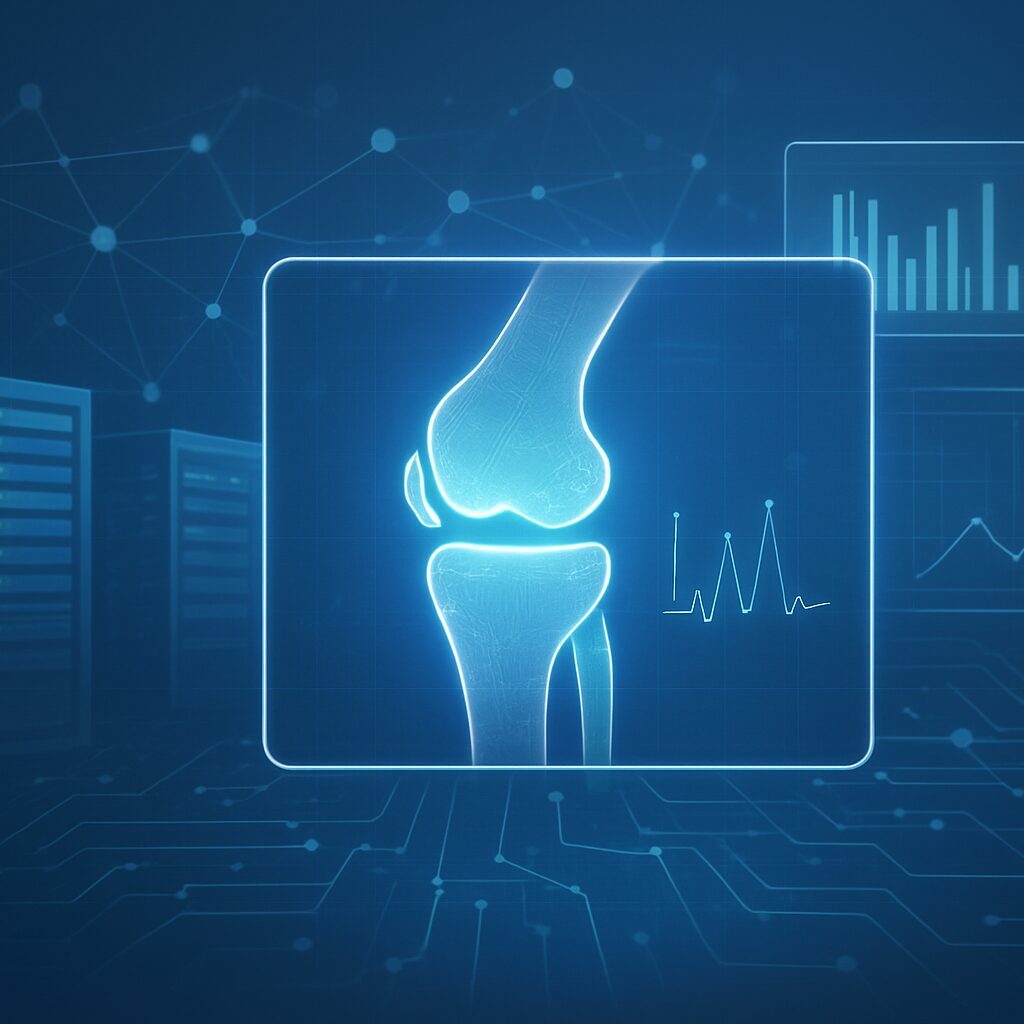
Orthopedic trauma management has become a rapidly developing area of healthcare, supported by continuous research, advanced technology, and improved clinical methods. Recent healthcare trends show that innovative treatment strategies are helping patients achieve better mobility, faster recovery, and improved quality of life after severe injuries. Professionals dedicated to advancing orthopedic solutions play a valuable role in shaping the future of trauma care. The expertise associated with Dr Steven Shannon Nevada highlights how specialized knowledge can contribute to progress in complex orthopedic treatment.
What are the major advancements in orthopedic trauma?
Modern orthopedic trauma care includes several improvements designed to increase treatment effectiveness. Advanced diagnostic tools, improved surgical techniques, and customized recovery plans have helped transform how injuries are evaluated and managed.
Medical statistics indicate that technology-supported treatment methods can improve decision-making and provide more accurate solutions for complicated cases. These advancements allow specialists to understand injury patterns more clearly and develop strategies that support better healing.
Why does patient-focused treatment matter in orthopedic trauma?
Every orthopedic injury presents unique challenges, making personalized care an essential part of successful recovery. Factors such as age, lifestyle, injury location, and overall health influence treatment decisions.
A patient-focused approach ensures that care plans are created with both immediate healing and future functionality in mind. This strategy helps improve satisfaction, encourages active rehabilitation, and supports better long-term results.
How are innovative techniques changing fracture and injury management?
Fracture treatment has advanced through improved surgical planning and more efficient stabilization options. These developments aim to protect damaged structures while supporting natural healing processes.
The work connected with Dr Steven Shannon Nevada demonstrates how innovation and experience can work together to address demanding orthopedic trauma situations. By applying modern principles and focusing on precision, orthopedic professionals continue to improve the standards of injury care.
What statistics show the importance of orthopedic trauma advancements?
Healthcare research continues to show that improved trauma management contributes to stronger recovery outcomes. Reduced complications, better mobility rates, and shorter rehabilitation periods are key indicators of progress within orthopedic medicine.
These measurable improvements reflect the importance of investing in advanced treatment methods and specialized expertise. As medical knowledge expands, orthopedic trauma care continues moving toward more effective and patient-friendly solutions.
What is the future outlook for orthopedic trauma care?
The future of orthopedic trauma will likely involve greater use of technology, advanced research, and individualized treatment methods. Emerging approaches may help professionals provide even more accurate diagnoses and effective interventions.
Continuous learning and innovation remain essential for improving patient outcomes. The commitment demonstrated by specialists such as Dr Steven Shannon Nevada represents the ongoing movement toward advanced orthopedic trauma care that prioritizes recovery, safety, and lasting improvements in patient health.